English Language
Discover how the English programme at SAPS nurtures confident communicators, discerning readers and creative thinkers through engaging learning and purposeful use of technology.
The school adopts an integrated approach in designing its English Language curriculum, guided by the principles of the Ministry of Education’s (MOE) English Language Syllabus 2020. Anchored by STELLAR 2.0 (Strategies for English Language Learning and Reading), the national core programme, the school builds upon this strong foundation with a suite of school-based initiatives tailored to meet the needs of our students.
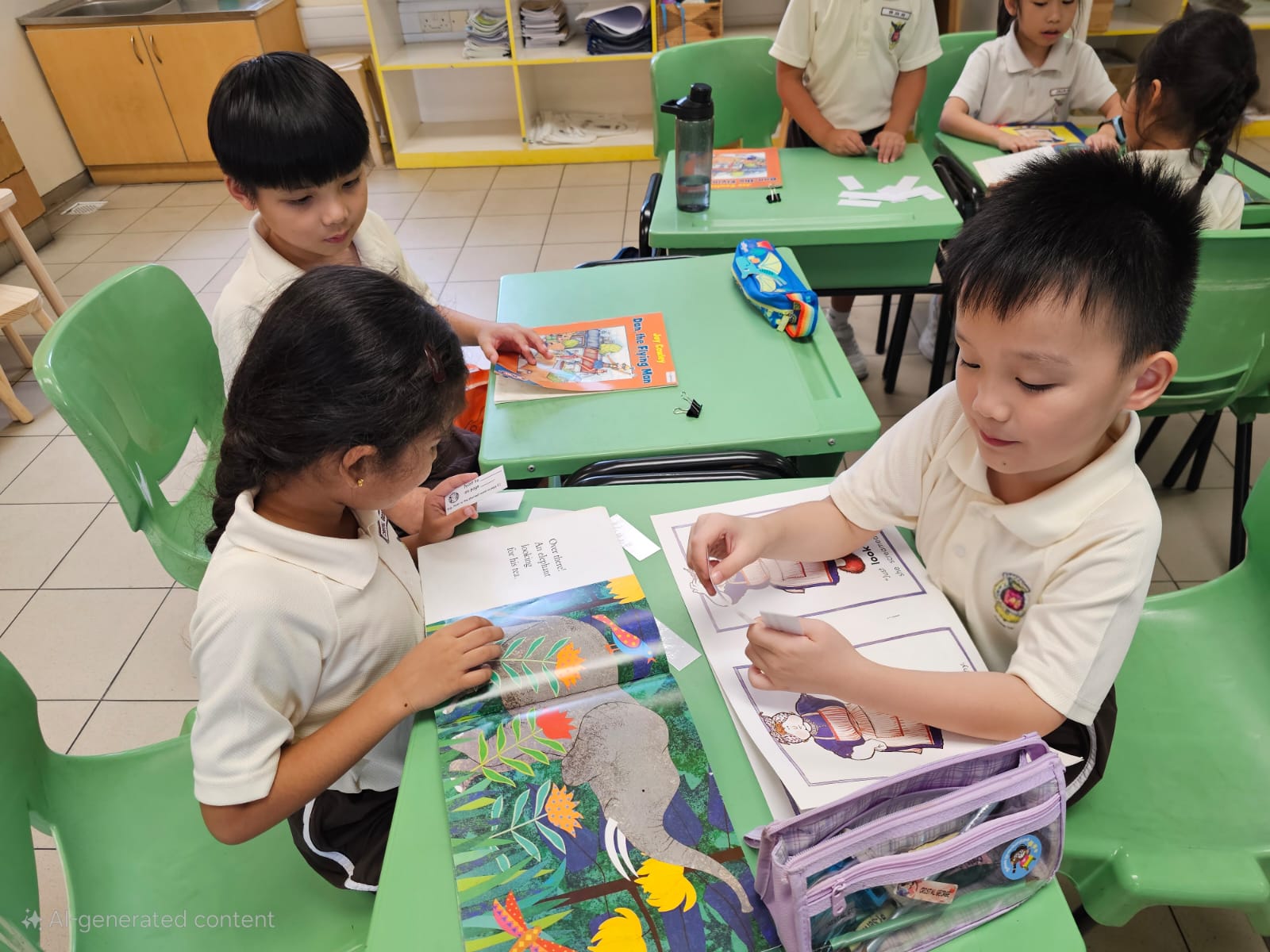
At the heart of the English Language Department’s mission is the desire to nurture empathetic communicators, discerning readers, and creative inquirers. These three strands are intentionally woven into the curriculum to develop students not just as language users, but as thoughtful and responsible members of society.
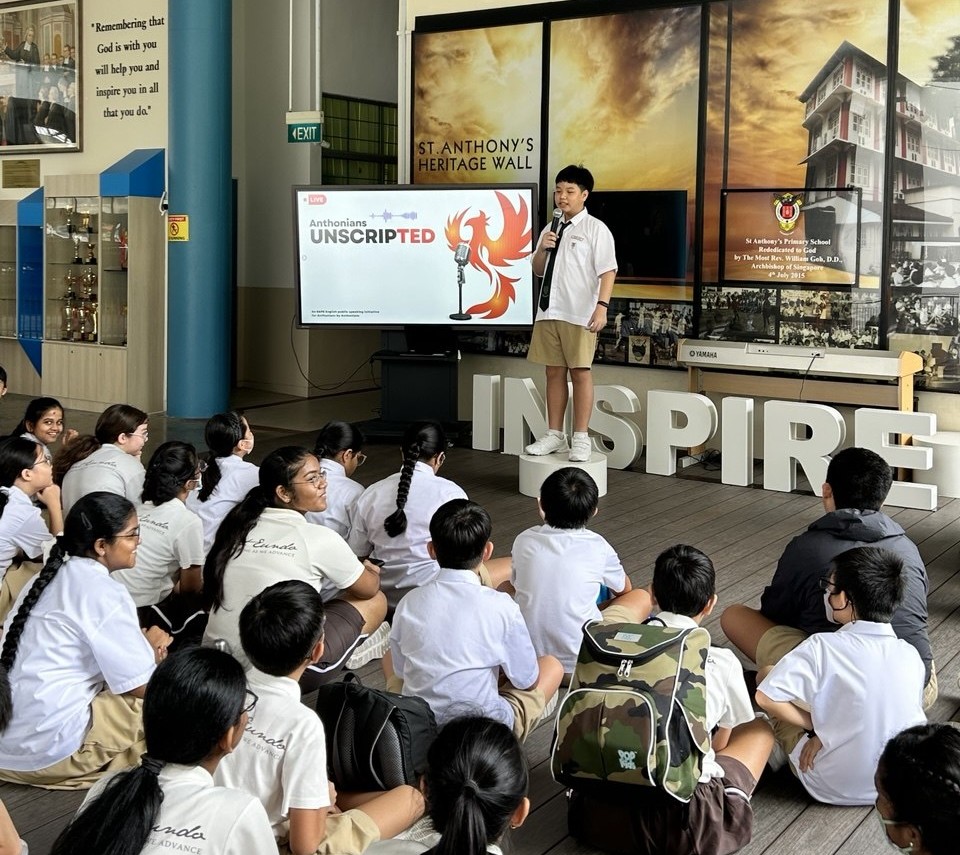
To grow empathetic communicators, the school provides structured opportunities for students to develop confidence and express themselves with clarity and sensitivity. Programmes such as Anthonians Unscripted offer students authentic platforms to speak purposefully to different audiences, articulate their views, and respond to others respectfully. These are skills essential for meaningful dialogue in a globalised world.
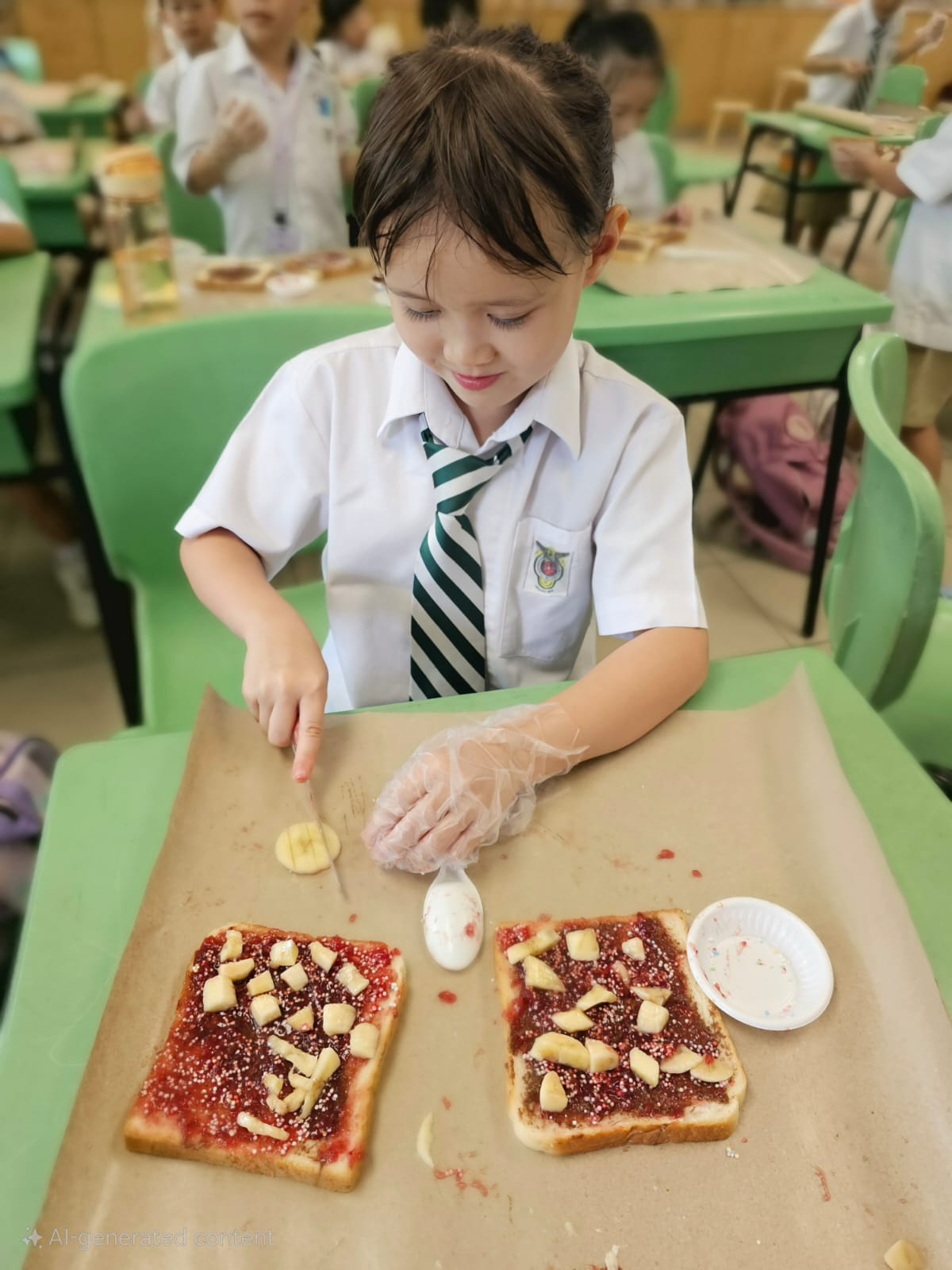
To cultivate discerning readers, the curriculum helps students understand and evaluate how meaning is constructed not just through words, but also through visual elements and other modes of communication. Students are explicitly taught how images work with texts to shape understanding and influence interpretation. These multimodal literacy skills are essential in today’s digital landscape, where information is constructed and consumed in diverse formats.
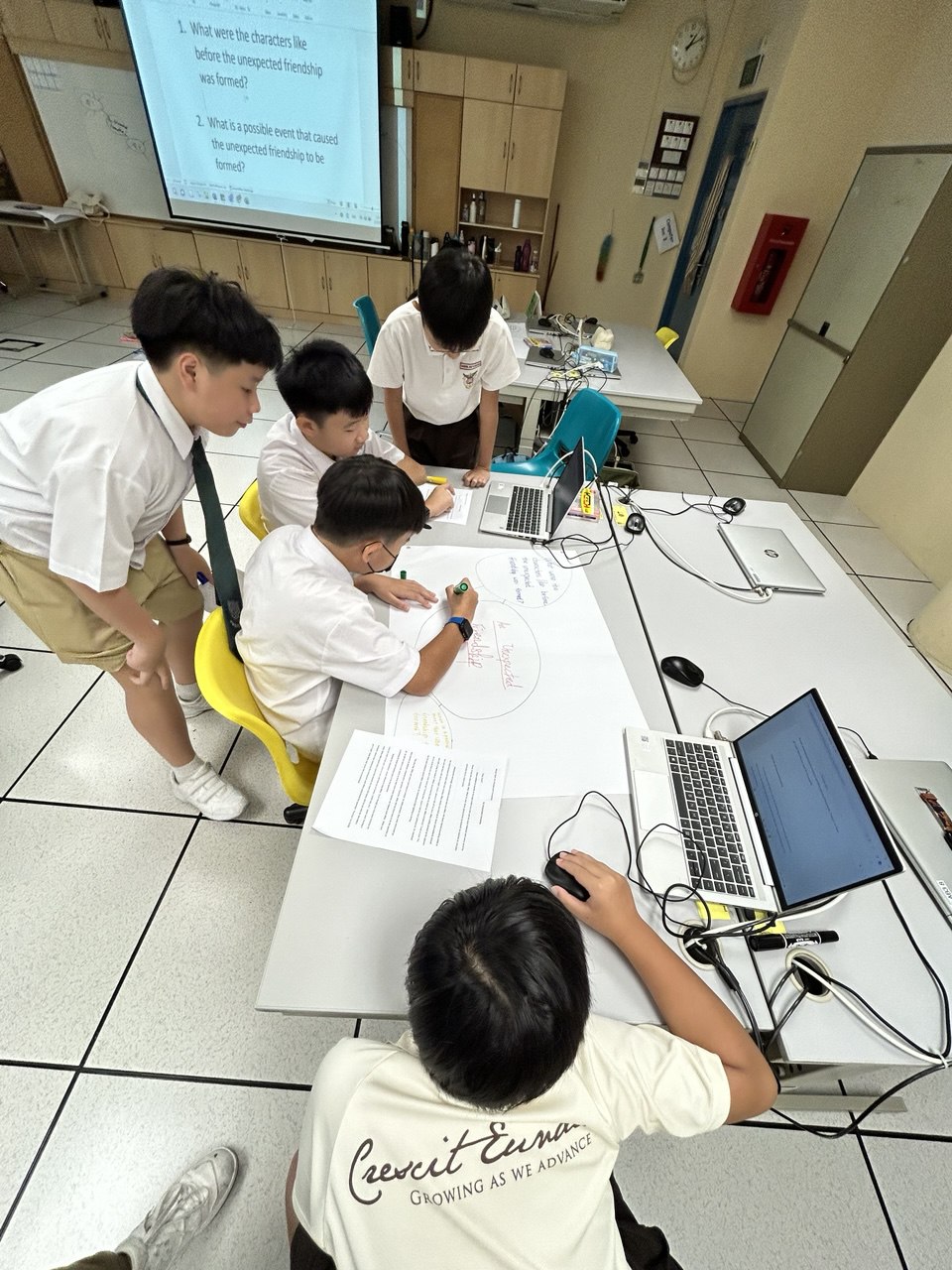
The school also seeks to foster creative inquirers who are attuned to local and global issues. Using resources such as Little Red Dot, a weekly publication tailored for young readers, students explore real-world events and develop critical perspectives. They are encouraged to ask questions, form opinions, and use language as a tool for inquiry and personal expression.
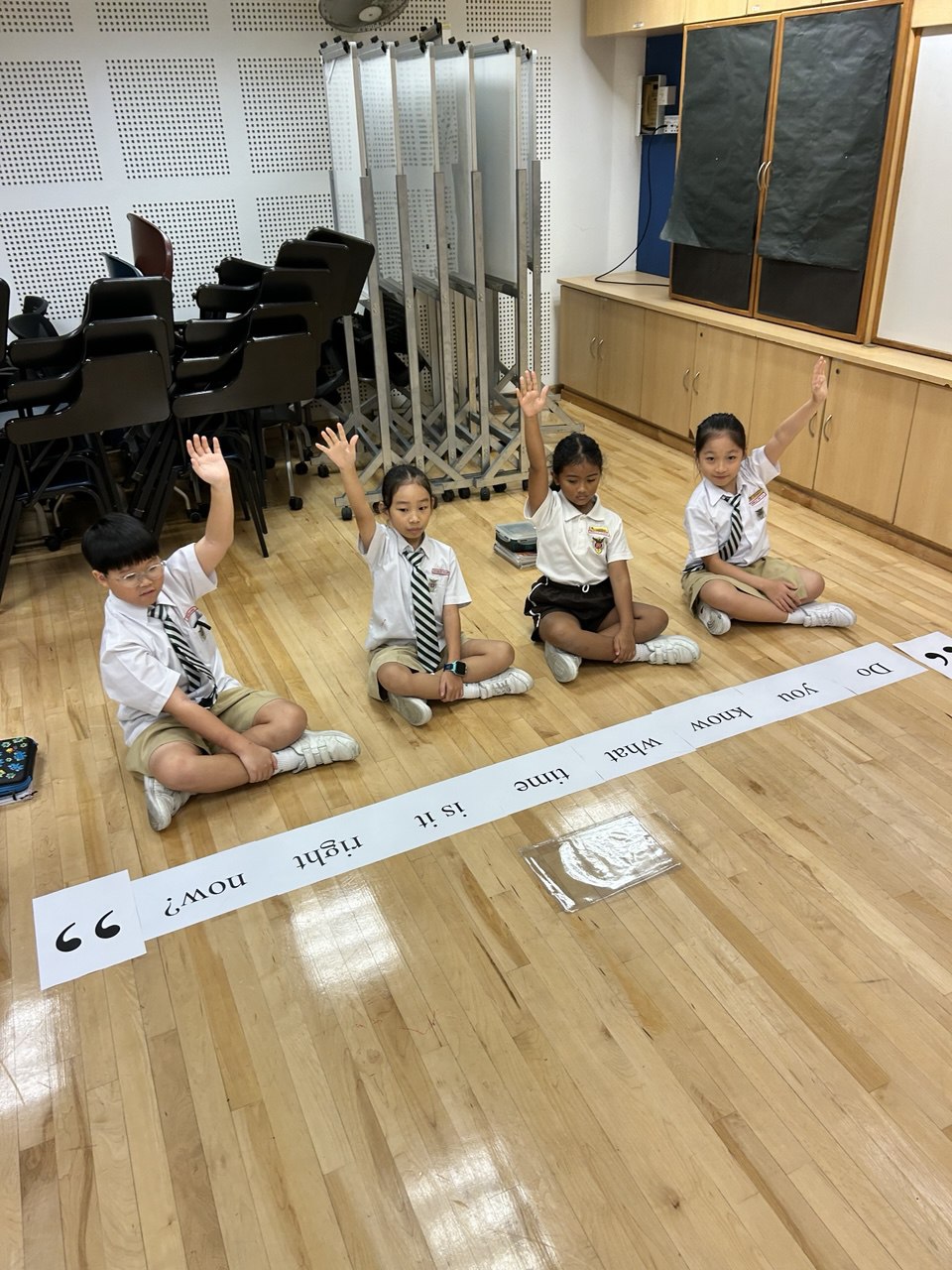
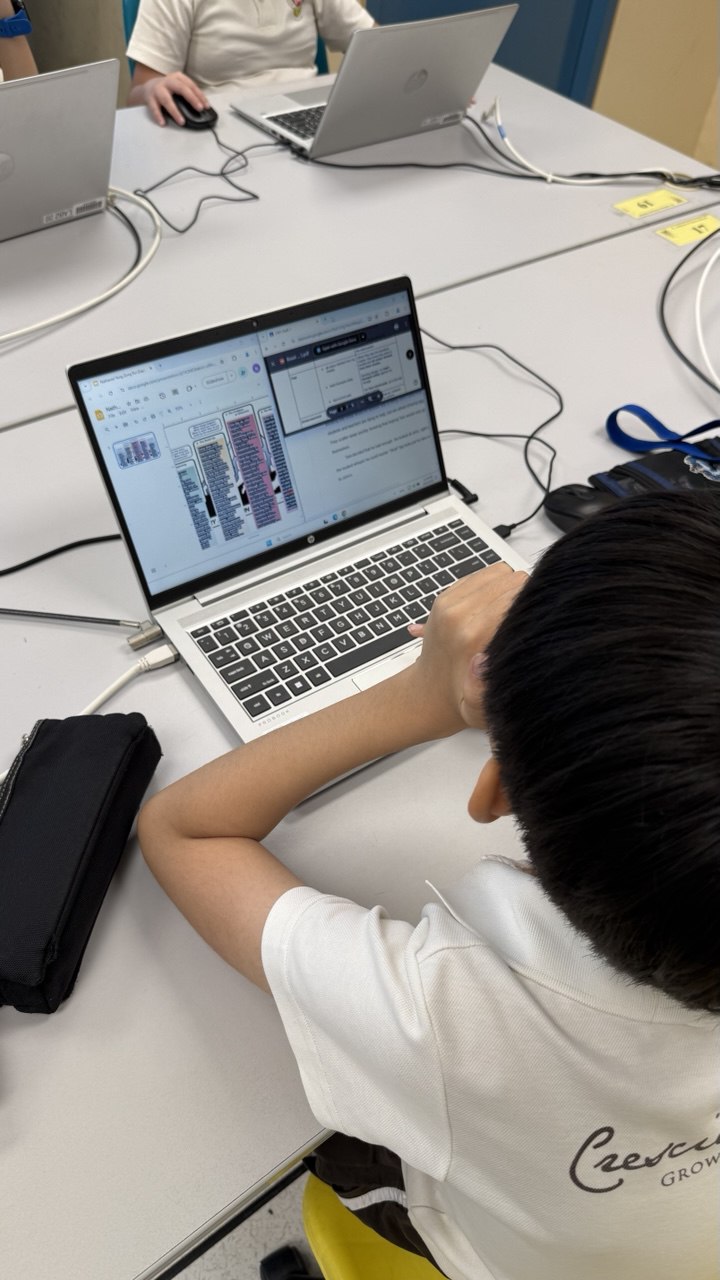
In addition, the department embraces the use of educational technology, including Artificial Intelligence (AI), to enhance teaching and learning. AI tools are thoughtfully integrated into writing and oracy programmes to support students in the pre-writing and revision stages, offering personalised feedback, vocabulary suggestions, and structure scaffolds. In oracy, digital platforms are used to simulate real-world speaking scenarios and provide automated feedback on aspects such as pronunciation, pacing, and clarity. These innovations empower students to take greater ownership of their learning while equipping them with the digital competencies necessary for the future.
Programmes such as Anthonians Unscripted offer students authentic platforms to speak purposefully to different audiences, articulate their views, and respond to others respectfully. These are skills essential for meaningful dialogue in a globalised world.
To cultivate discerning readers, the curriculum helps students understand and evaluate how meaning is constructed not just through words, but also through visual elements and other modes of communication. Students are explicitly taught how images work with texts to shape understanding and influence interpretation. These multimodal literacy skills are essential in today’s digital landscape, where information is constructed and consumed in diverse formats.
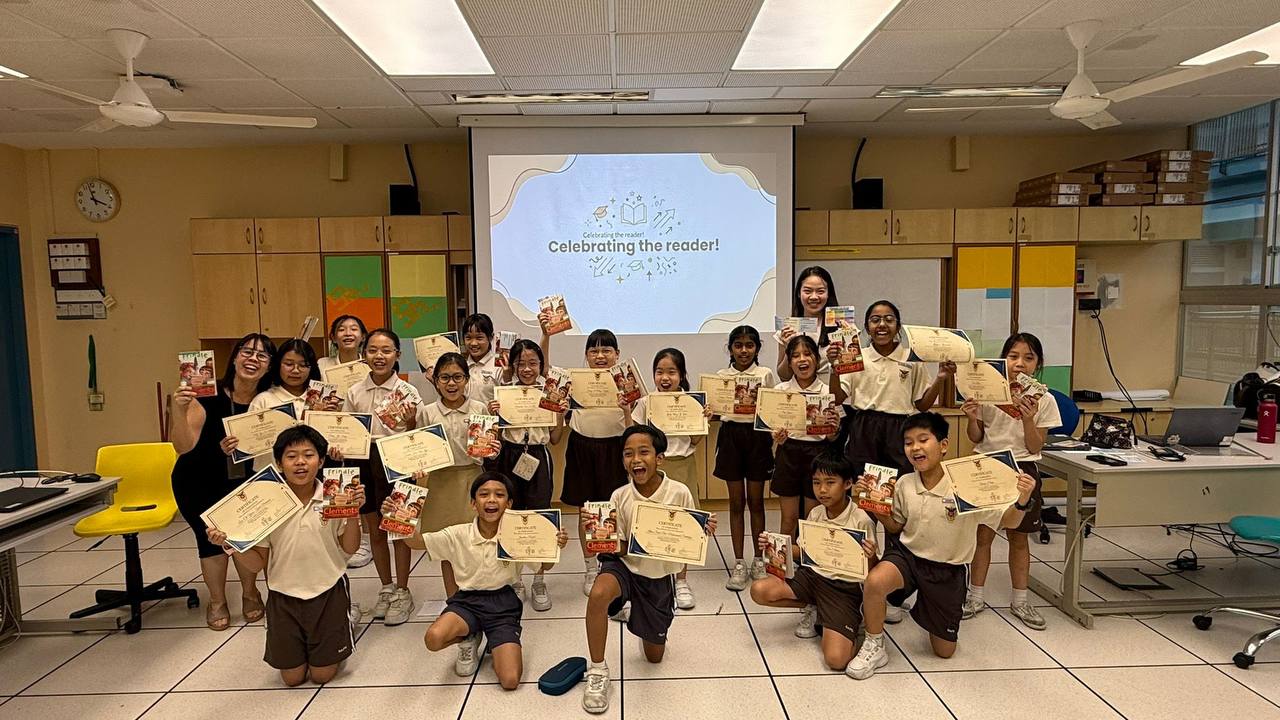
Reading Circles provide a collaborative space where selected students engage deeply with rich texts through purposeful discussion. Rather than searching for the "right" answer, students learn to listen actively, build on one another's ideas, justify their thinking with textual evidence, and consider diverse perspectives. Through meaningful dialogue, they make text-to-self, text-to-text and text-to-world connections, strengthening both comprehension and critical thinking. This programme also nurtures confidence, empathy and student agency, empowering learners to become thoughtful readers, articulate communicators and reflective contributors to their community.
Another initiative that cultivates a love for oracy is our Talent Development Programme (TDP). Designed for students with a strong interest and aptitude in spoken communication, the programme provides opportunities to develop their confidence, critical thinking, and public speaking skills.
Students are exposed to a wide range of oracy experiences, including debating, persuasive speaking, impromptu speeches, and structured discussions. Through these experiences, they learn to construct well-reasoned arguments, listen actively to diverse perspectives, and communicate their ideas with clarity, confidence, and respect.
The programme also develops key 21st Century Competencies (21CC) by nurturing critical and inventive thinking, communication, collaboration and information skills, as well as civic literacy, global awareness and cross-cultural skills as students engage with authentic issues and work effectively with their peers. In line with the school's C2O2RE approach, students learn to Communicate confidently, Collaborate purposefully, Own their learning, Reflect on their growth, and demonstrate Empathy and Resilience as they receive feedback, refine their ideas, and persevere through challenges.
Through regular coaching, authentic speaking opportunities, and participation in inter-school debates and public speaking platforms, students grow into confident communicators and thoughtful leaders who can influence others positively and contribute meaningfully to their communities.
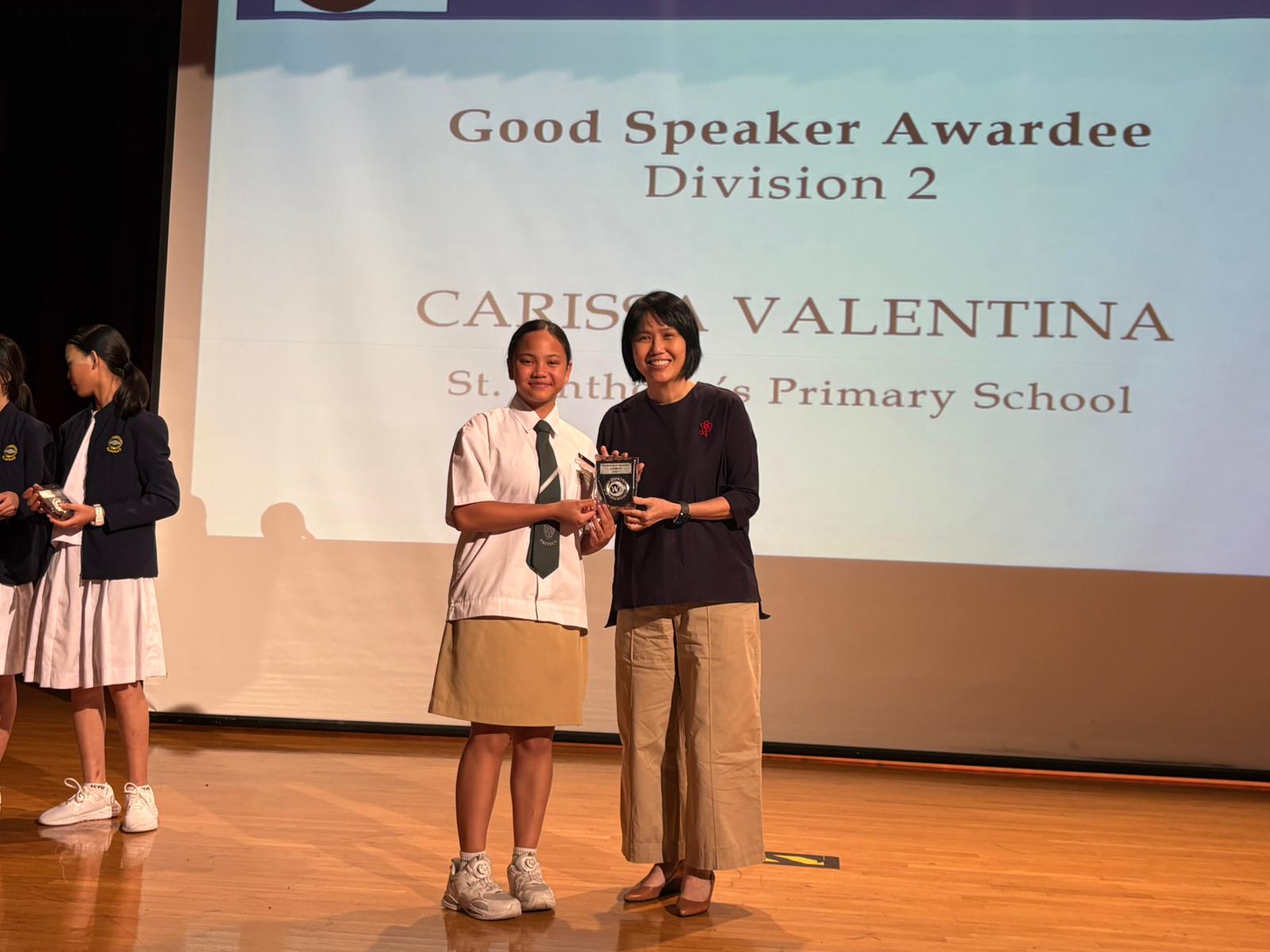
Through this blended approach, the department strives to develop confident and compassionate users of English who can connect, question, and contribute meaningfully to the world around them
In SAPS, we draw reference from the SAPS Teaching and Learning Framework when designing and implementing lessons to provide our Anthonians with a sound education grounded in the Lasallian ethos. The framework encompasses the Singapore Teaching Practice (STP) which guides and supports teachers in their considerations in designing and implementing quality and effective lessons. The school adopts an integrated approach in designing an English Language curriculum aligned with MOE’s English Syllabus 2023. Besides STELLAR, which is the core programme designed by MOE curriculum specialists, the school incorporates its own school-based programme to develop Anthonians to be confident and effective users of the language.
Useful links